
 look book

latest
habitat tv

Say goodbye to the morning scramble for keys, coats and sunglasses and hello to this… see this and more videos
blog
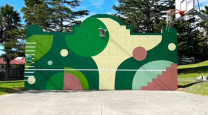
Reader roundup: Public murals and powder blues
A Morningside mural, an exterior refresh, and striped walls. Let these projects be your inspiration… more
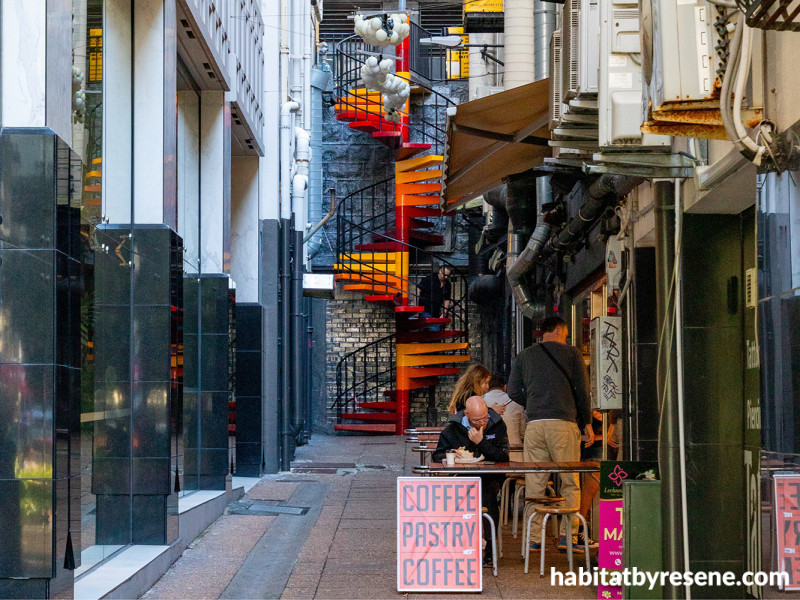
Originally laid out as a service lane for horse-and-cart access to local businesses, the lane gained the name Exchange Lane in 1898, due to its proximity to the stock exchange. Images courtesy of Auckland Council.
Stairway to the past
04 Sep 2026
When we think vibrant inner-city or city centre laneways, inevitably we picture Melbourne’s Hosier and Hardware Lanes as exemplars of the modern laneway revival. In an attempt to bring some of that presence to downtown Auckland, the Auckland Urban Development Office, in conjunction with Angus Muir Design and Programmed, has begun the process of revitalising Exchange Lane.
“Exchange Lane was identified through Auckland Council’s regeneration and placemaking work – alongside advocacy from surrounding residents and businesses – as a place that would benefit from revitalisation,” says city centre placemaker, Beatrice Lo.
“The project presents an opportunity to trial targeted laneway improvements that strengthen visual wayfinding, connectivity, and lifts the overall experience of a historic laneway.”
Through an energetic and colourful design scheme, the goal is to reveal and reflect the lane’s unique character and history, as well as support current and future businesses by fostering community pride.
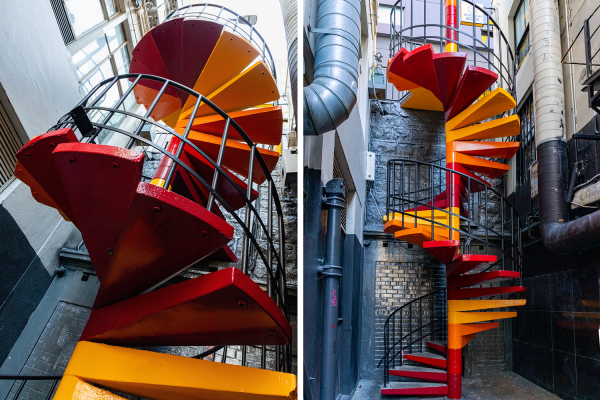
Used as a thoroughfare between Queen and Albert Streets by generations of Aucklanders, the iconic spiral staircase has been given a vibrant makeover. A backdrop of Resene Nocturnal ensures the staircase becomes an eye-catching feature.
“The colour palette – featuring Resene Salsa, Jalapeno, Tangerine and Lightning – draws inspiration from the lane’s heritage: the red and ochre tones of early brick and the warm yellows of plaster and the working waterfront.
“These bright, contemporary tones give a nod to the lane’s roots, while lifting the dark and uninviting aesthetic into one that celebrates its enduring legacy of connection and early commerce.”
A protective topcoat of Resene Uracryl 404 low sheen base was specified for its ability to impart exceptional durability, UV resistance and colour retention to a variety of substrates in heavy-duty environments. This was augmented by the addition of Uracryl GraffitiShield.
On a broader level, the regeneration and placemaking programme is designed to strengthen visual identity and wayfinding within the city centre laneway network, while increasing foot traffic and dwell time through beautification, and improving perceptions of safety and usability through lighting, colour and cohesive design.
Images courtesy of Auckland Council.
Published: 04 Sep 2026